About Chanderi
Nestled amidst the rolling hills of Madhya Pradesh, Chanderi is a beautiful historic town known for its rich heritage, magnificent architecture, and timeless handloom traditions. Surrounded by lush forests and ancient forts, Chanderi perfectly blends natural beauty with cultural charm. The town’s strategic location between Malwa and Bundelkhand made it a prominent center for trade and culture since the medieval era.
Chanderi is not just famous for its architectural wonders but also for its exquisite Chanderi sarees — delicate weaves that reflect centuries of craftsmanship. Visitors can explore grand forts, palaces, ancient Jain temples, and scenic lakes that narrate stories of valor and devotion. Whether you’re a history lover, nature admirer, or cultural explorer, Chanderi offers a serene yet enriching experience that captures the essence of traditional India.
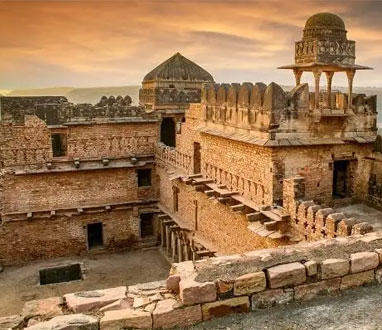
Kila Kothi
Kila Kothi is a majestic heritage fort that reflects the grandeur of ancient Bundela architecture. Surrounded by lush greenery and peaceful surroundings, this fort offers a glimpse into royal life from centuries past. The intricate carvings and beautiful courtyards make it a must-visit for those who love history and culture.
Visitors often enjoy exploring the narrow passages and open terraces that provide panoramic views of Chanderi town. The fort stands as a silent storyteller of battles, bravery, and royal elegance, making it a perfect spot for history enthusiasts and photographers alike.
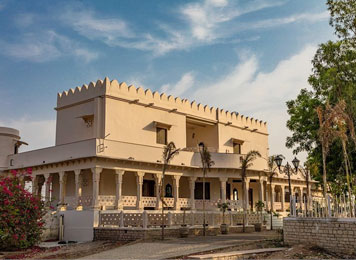
Mata Jageshwari Temple
Mata Jageshwari Temple is one of the most sacred and revered temples in the Chanderi region. Dedicated to Goddess Jageshwari, this ancient temple attracts countless devotees and tourists who come to seek blessings and admire its spiritual charm. The temple’s traditional design and peaceful environment create an atmosphere of divine tranquility.
During local festivals, the temple becomes a hub of cultural energy, with devotional songs, rituals, and local fairs adding to its beauty. The temple complex, surrounded by natural hills, provides a soothing experience for visitors seeking both spiritual and scenic pleasure.
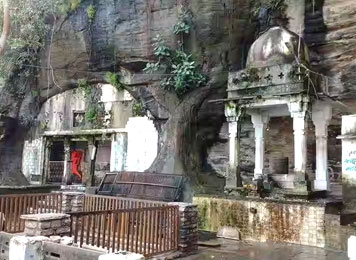
Badal Mahal
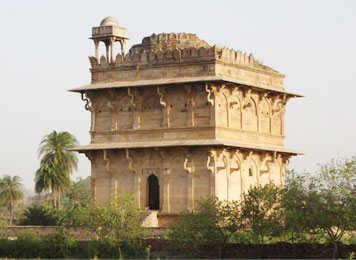
Badal Mahal, meaning “Palace of Clouds,” is one of the most remarkable architectural marvels in Chanderi. This tall, multi-storied structure is known for its intricate latticework and arches that showcase the brilliance of medieval Indian design. The Mahal was believed to be built as a pleasure palace for royalty.
From its upper floors, visitors can enjoy breathtaking views of the surrounding landscape. Its light-colored stone walls glow beautifully under the sun, creating a mesmerizing contrast against the sky — truly living up to its name, the Palace of Clouds.
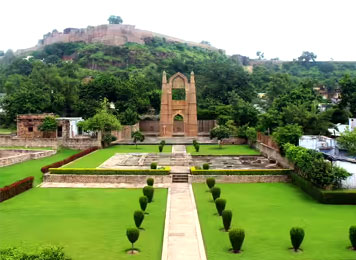
Raja Rani Mahal
The Raja Rani Mahal stands as a timeless symbol of royal romance and architectural grace. Built in the medieval era, the palace is known for its elegant arches, detailed carvings, and fine stone craftsmanship that reflect a blend of Hindu and Islamic styles.
Legends say it was built for a royal couple who loved to spend peaceful evenings in its serene surroundings. The beautifully designed balconies and quiet courtyards make it a charming place to explore, offering visitors a chance to step into a story from the royal past.

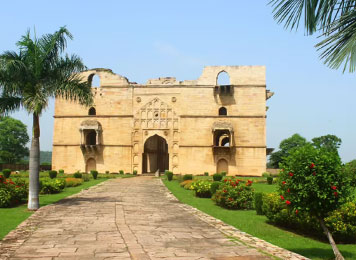
Koshak Mahal
Koshak Mahal is a fascinating monument that showcases the grandeur of Sultanate-era architecture. Built by Sultan Mahmud Khilji of Malwa in the 15th century, the palace was intended to be a seven-storied structure, though only four levels were completed.
The symmetrical layout, massive arches, and intricate design make it a popular site among historians and photographers. Surrounded by greenery, Koshak Mahal’s calm setting gives visitors a glimpse into the rich past of Chanderi’s architectural legacy.
Chanderi Museum
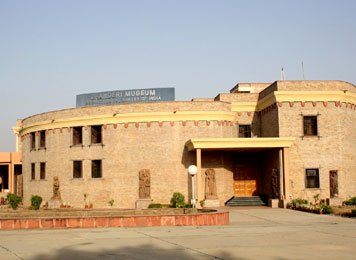
Chanderi Museum is a treasure house of the region’s history, art, and culture. Managed by the Archaeological Survey of India, the museum showcases an impressive collection of sculptures, inscriptions, coins, and artifacts that narrate the story of Chanderi’s glorious past.
Visitors can explore exhibits from various dynasties, including the Bundelas, Malwas, and Mughals. The museum provides deep insight into local craftsmanship, especially Chanderi’s famous textiles, making it a must-visit for culture lovers.
Kati Ghati
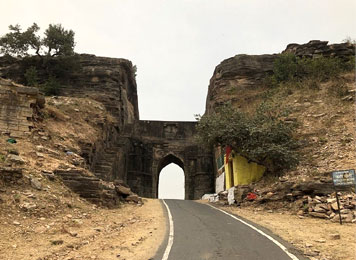
Kati Ghati is a dramatic rock-cut gateway carved through a hill, serving as one of the most iconic landmarks of Chanderi. Built in the 15th century, it stands as a brilliant example of medieval engineering and determination. The legend says it was carved overnight by workers to create a passage between Chanderi and Malwa.
Standing at this grand gateway, visitors can admire panoramic views of the town and its surrounding valleys. Its massive size and fascinating history make Kati Ghati both a scenic and historical wonder worth exploring.
Ram Nagar Mahal
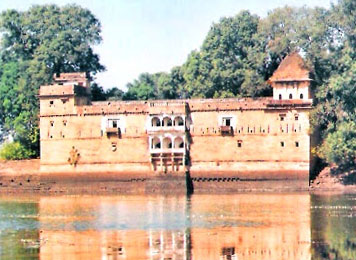
Ram Nagar Mahal is a beautiful heritage palace nestled amidst natural surroundings near Chanderi. Once the residence of local rulers, the palace reflects fine examples of royal architecture, with its grand courtyards, arches, and domes.
Visitors can stroll through its spacious corridors and feel the charm of a bygone era. The nearby gardens and scenic setting make it an ideal place for relaxation and photography, offering a glimpse into the lavish lifestyle of the royals.
Singhpur Mahal
Singhpur Mahal is another hidden gem in the Chanderi region, known for its simple yet elegant architecture. Built during the reign of local kings, the palace was once an important administrative and residential center.
The site offers a peaceful retreat for history lovers who wish to explore ancient structures away from crowded tourist areas. With its quiet surroundings and old-world charm, Singhpur Mahal provides an authentic taste of Chanderi’s heritage.
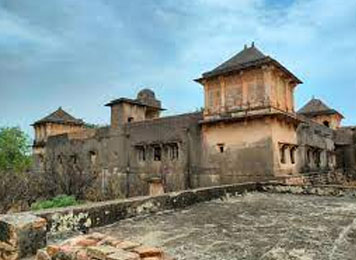
Budi Chanderi
Budi Chanderi, meaning “Old Chanderi,” is the ancient site that marks the original settlement of the town. The ruins here tell the tale of Chanderi’s early days, with remnants of fortifications, temples, and stepwells scattered across the landscape.
Walking through Budi Chanderi feels like traveling back in time, with every stone whispering stories of glory and transformation. The area offers an immersive experience for explorers and photographers who love discovering the roots of historic towns.
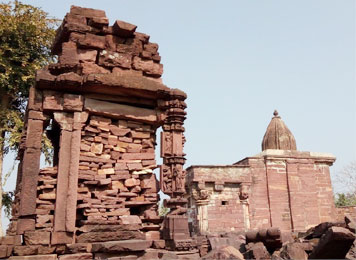
Handloom Park
Handloom Park in Chanderi is a vibrant center dedicated to preserving and promoting the region’s famous handwoven textiles. Visitors can witness artisans at work, weaving the world-renowned Chanderi sarees using traditional looms and natural threads.
The park not only showcases the craft but also supports local weavers and their families. Tourists can buy authentic handloom products directly from artisans, making it a meaningful and memorable experience that connects culture with craftsmanship.
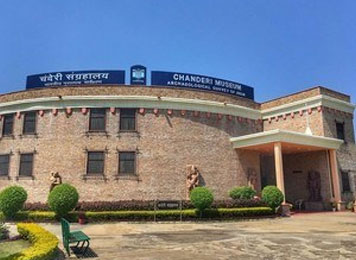
Parmeshwar Talab
Parmeshwar Talab is a serene and picturesque lake that adds natural beauty to Chanderi’s landscape. Surrounded by ancient temples and lush greenery, this water body is a popular spot for relaxation and photography.
Visitors often come here to enjoy quiet moments by the water or take leisurely walks along the ghats. The reflections of historic monuments on the calm waters make it an enchanting sight, especially during sunrise and sunset.
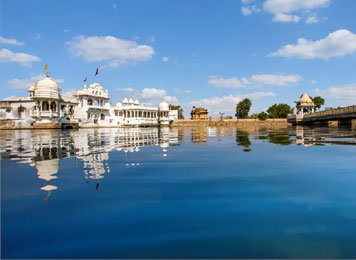
Sahajadi Ka Roza
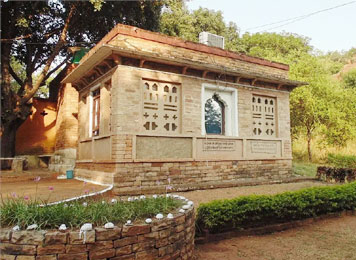
Sahajadi Ka Roza is a beautiful tomb complex known for its elegant Mughal-style architecture. Dedicated to a royal princess, the monument features graceful arches and intricate latticework that reflect fine craftsmanship.
The site is surrounded by peaceful gardens, making it a tranquil spot for reflection and exploration. Its delicate carvings and quiet ambiance capture the essence of Chanderi’s rich architectural heritage.
Craft Village Pranpur
Craft Village Pranpur is a living example of rural artistry and sustainable tourism. Located near Chanderi, this village is home to skilled artisans who continue to practice traditional crafts such as handloom weaving, pottery, and folk art.
Visitors can interact with local craftspeople, learn about their techniques, and even participate in workshops. The village offers a cultural experience that combines creativity, hospitality, and authenticity — a perfect escape for travelers seeking local connection.
Khandargiri Jain Temple
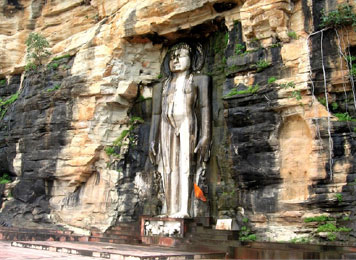
Khandargiri Jain Temple is an ancient spiritual site nestled amidst scenic hills near Chanderi. The temple complex houses beautifully carved rock-cut sculptures and shrines dedicated to Jain Tirthankaras, reflecting deep devotion and artistry.
It’s not only a place of worship but also an archaeological marvel, attracting devotees and historians alike. The peaceful surroundings and spiritual atmosphere make Khandargiri a must-visit for those seeking calm and inspiration.
Khooni Darwaza
Khooni Darwaza, translating to “Bloody Gate,” holds a dramatic place in Chanderi’s history. The gate is believed to have witnessed fierce battles and tragic events during the medieval period, which gave it its haunting name.
Despite its grim history, the structure stands as an important reminder of Chanderi’s resilience and courage. The architecture and the stories surrounding it attract curious travelers eager to uncover the layers of history hidden within its walls.
